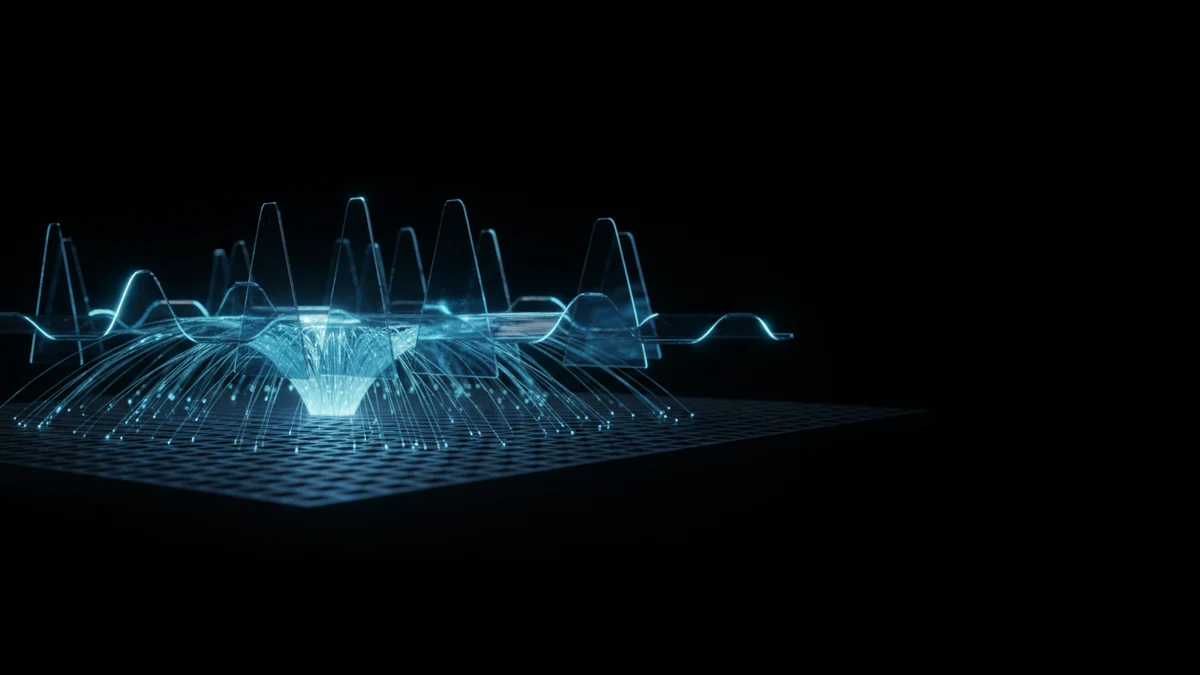
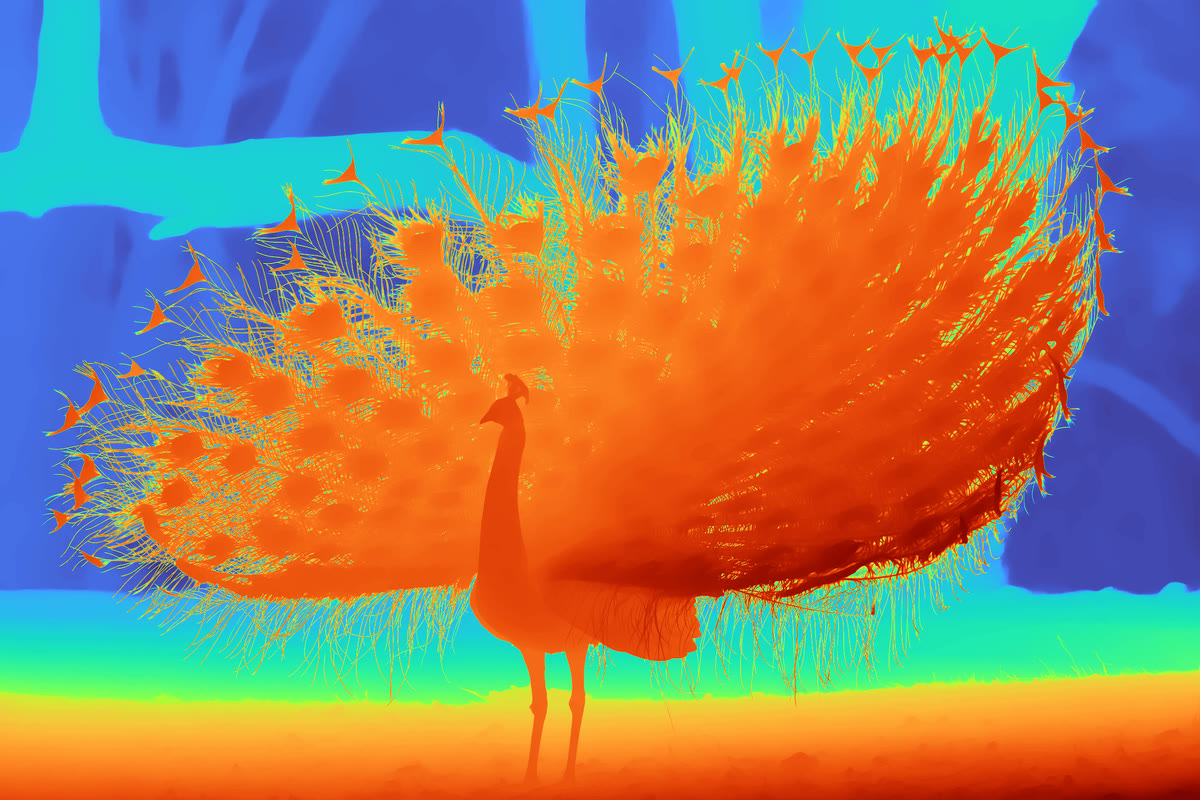
Apple’s research team published inference code and checkpoints for Depth Pro 2 on November 19. The model estimates a distance in meters for each pixel in a photo or video from a single camera. Apple’s project page and demonstrations show examples of the same system processing still images and sequences.
What video adds
Estimating depth independently in each frame can make a foreground edge jump between frames even while the camera moves smoothly. Apple’s buffered mode processes overlapping clips, while its live mode uses the current and earlier frames. Apple’s documentation says frame size and the number of frames processed together affect memory use. A camera’s focal length can be supplied or estimated, and errors in that estimate affect the absolute distances.
Apple lists four sizes, from the 24-million-parameter S checkpoint to the 872-million-parameter H+ checkpoint. The repository documents its Linux and Apple silicon paths and links to separate Core ML exports. The “H” in the Hub identifier corresponds to the variant described as H+ in the README. The numbers refer to checkpoint sizes and parameters, so readers should measure actual memory and latency on their intended runtime.
Terms matter for production use
Apple publishes separate terms for the inference code and the weights. The model license confines use to noncommercial scientific research and academic development. For a compositor, the depth map is an estimated layer that can be checked against the underlying footage. Work that needs reliable physical measurements still calls for calibration and validation. AiBrainWorX reviewed the release materials and did not run the models.
Primary sources reviewed. No independent hands-on tests.