 THE CURIOUS SIDE OF AI
 GoogleTEXT MODEL
gemma-3-270m-it
A very small instruction-tuned Gemma text model for focused tasks on resource-constrained hardware.
Very small model / edge candidate; runtime validation requiredRead profile →
AI NEWS / MODEL ANALYSIS / PRACTICAL TUTORIALS
New models. Security research. Creative engineering. Understand what changed, how it works, and why it matters. Welcome to the curious side of AI.
FOLLOW THE SIGNAL.
Stay curious. Build something interesting.
EXPLORE / LOCAL MODEL LIBRARY
Tiny text, local voices and compact vision. Read the capabilities, license and hardware considerations here before choosing a download.
GoogleTEXT MODELA very small instruction-tuned Gemma text model for focused tasks on resource-constrained hardware.
 hexgradVOICE / TTS
A lightweight text-to-speech model with Apache-licensed weights for local speech synthesis.
 Hugging FaceVISION
A small vision-language instruction model for image descriptions and questions with limited compute.
Source-reviewed profiles. These exact checkpoints have not been benchmarked locally by us; hardware tiers are suggestions, not fit guarantees.
01 / ON THE RADAR
AI is changing how we build, investigate, play, and discover. We follow the interesting parts—and the evidence behind them.
 ILLUSTRATION
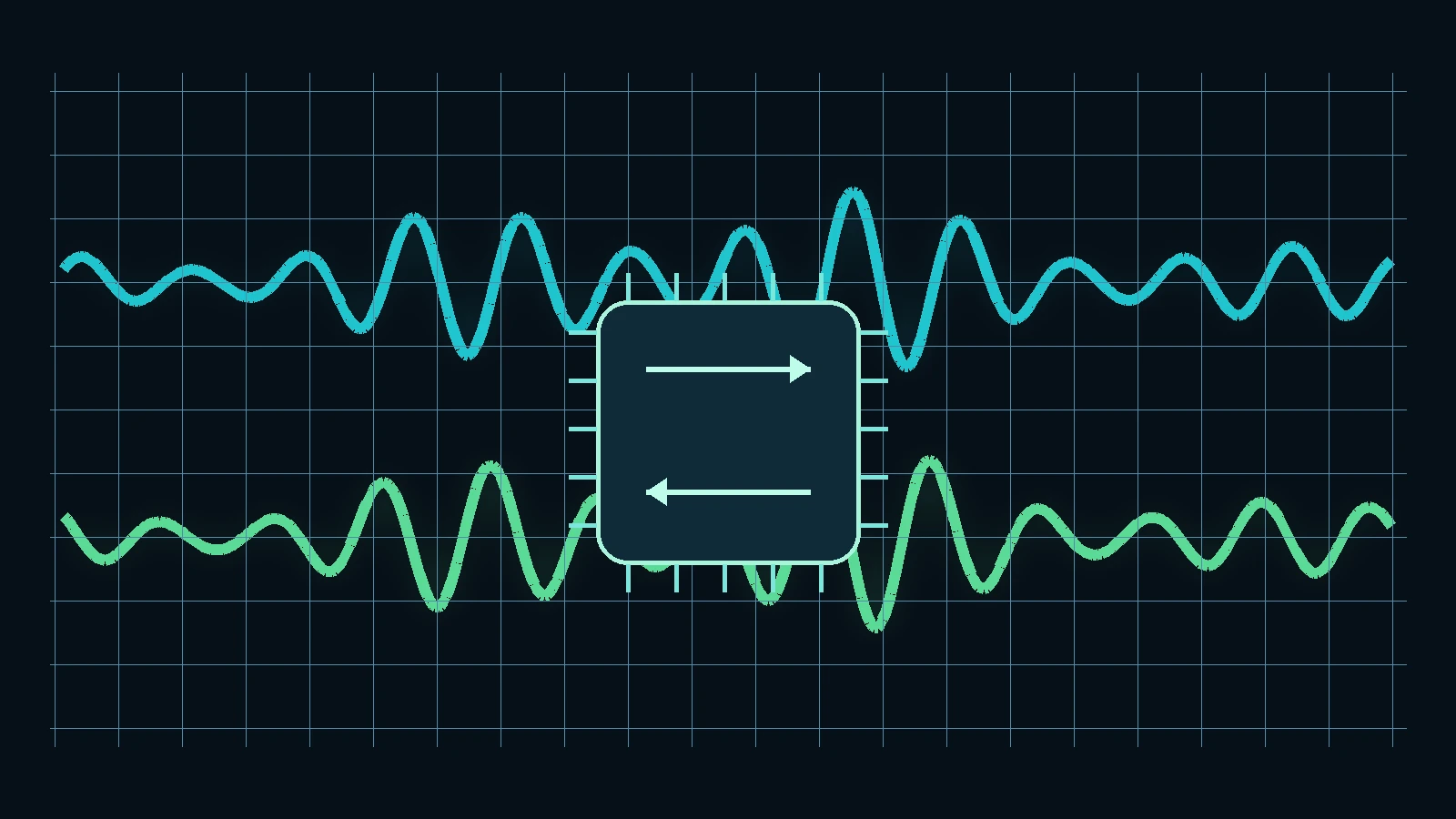
Block’s full-duplex speech preview is relevant to local voice tools, but its demo and hardware claims are separate from public checkpoint availability.
Oct 24 AI-assisted brief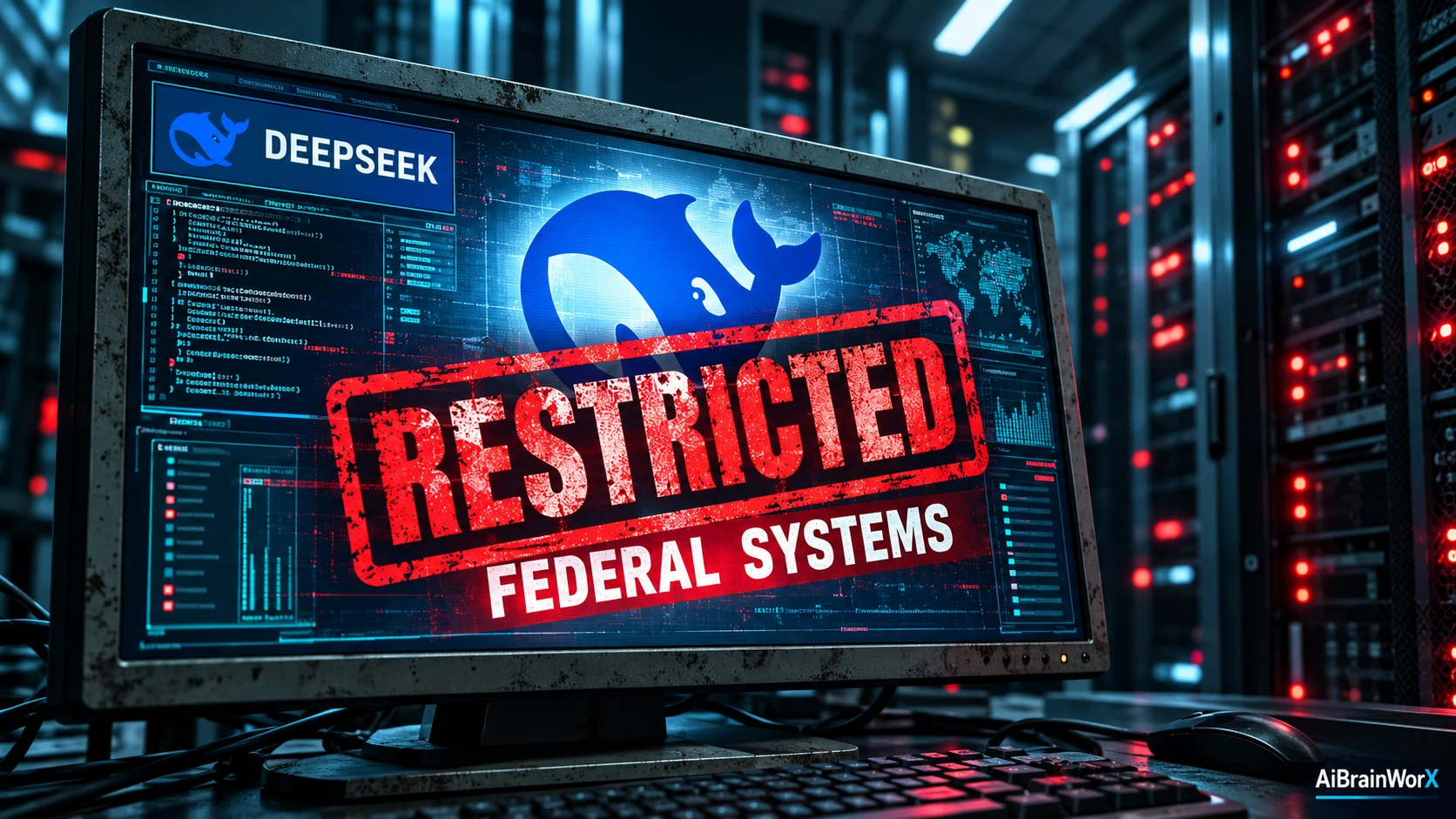 ILLUSTRATION
The DHS notice covers federal civilian IT and procurement, including certain third-party implementations. Here is the stated scope.
Oct 24 AI-assisted brief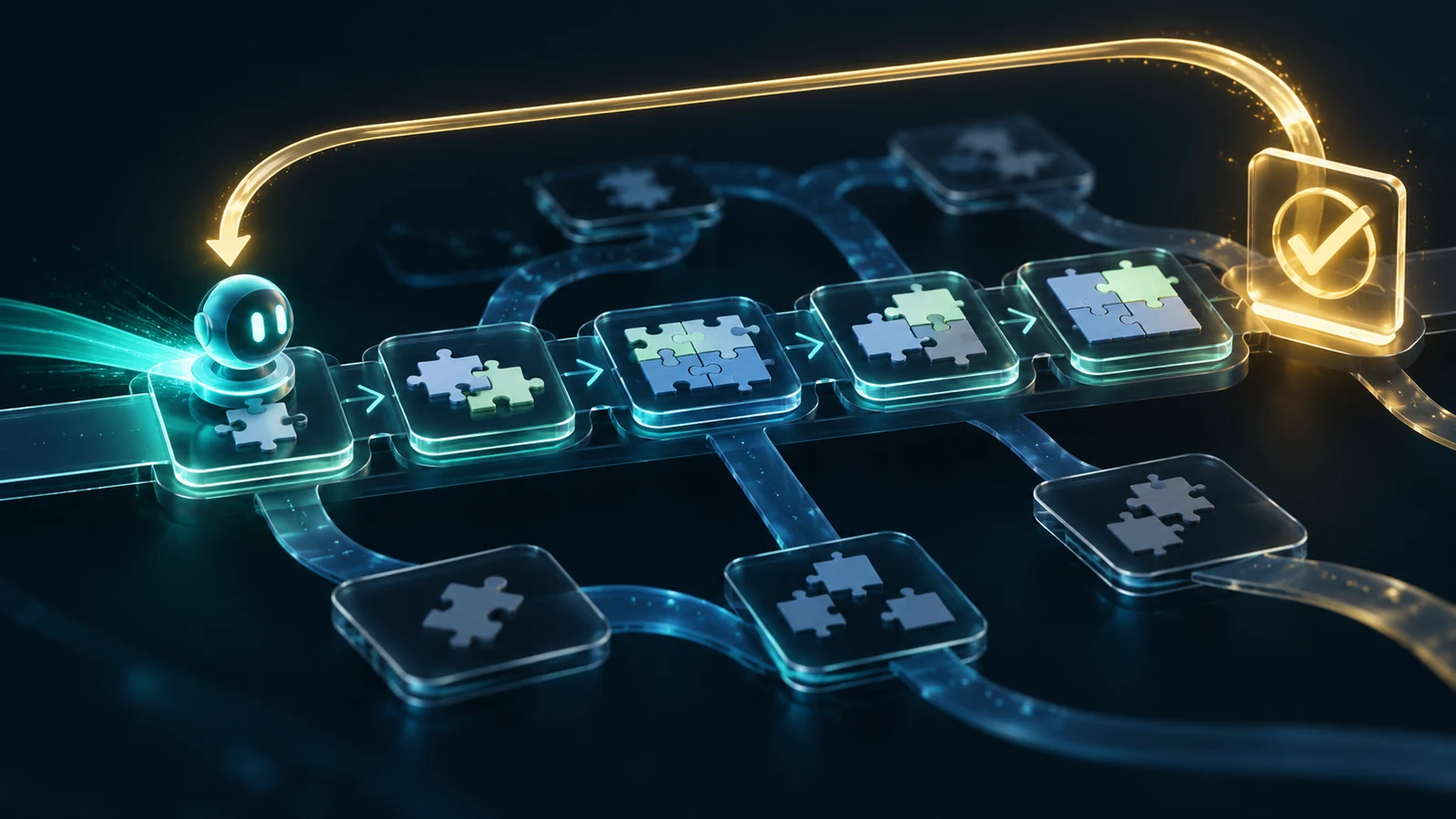 ILLUSTRATION
AWS’s Wordle experiment puts agent training under a useful microscope: the learning loop, the evaluation settings, and the costs that a headline score leaves out.
Oct 24 Source-based technical analysis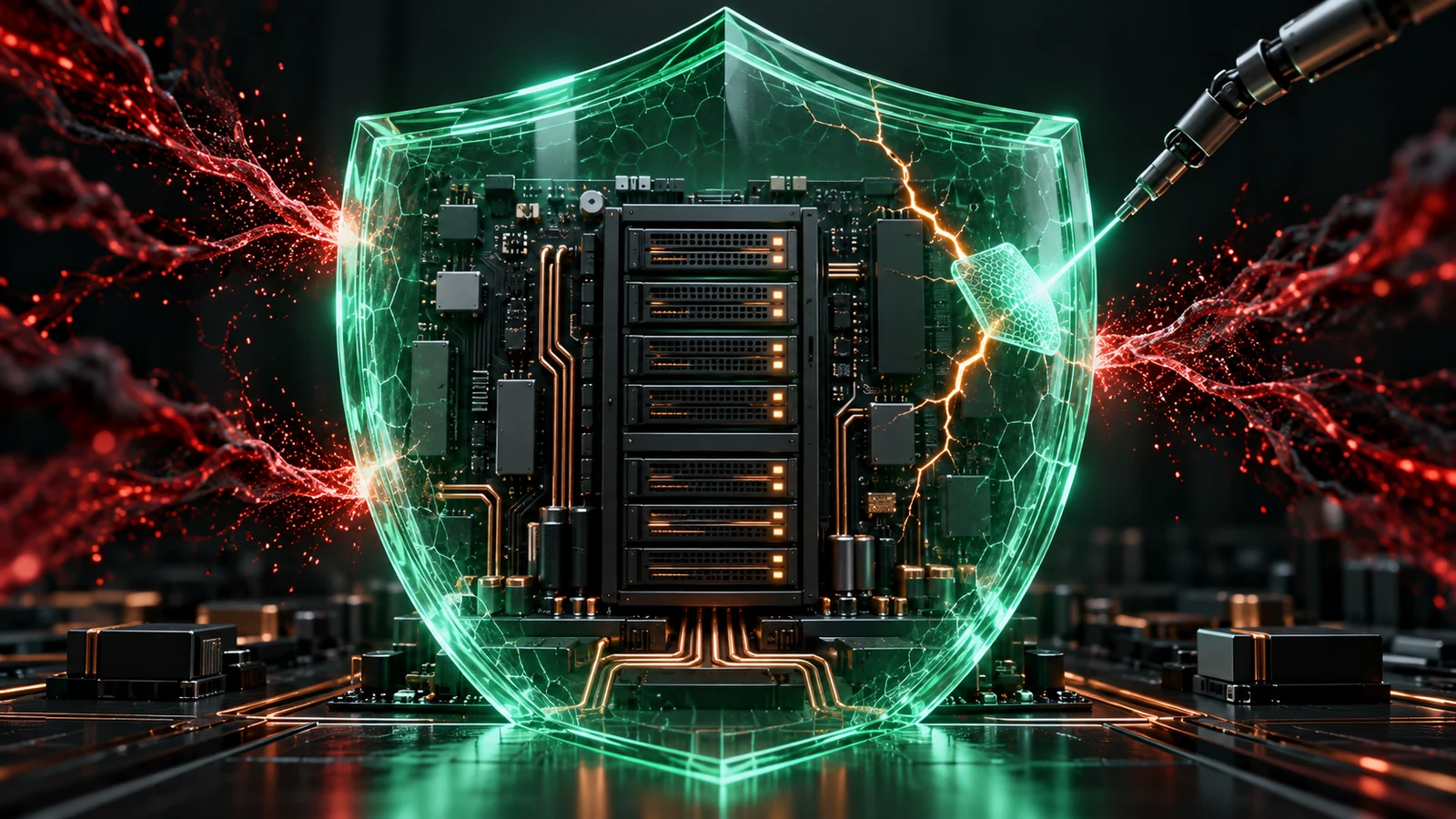 ILLUSTRATION
The PHP emergency is a useful lesson in AI-assisted security: finding the flaw is only one part of protecting the systems that depend on it.
Oct 23 Source-checked analysis ILLUSTRATION
From decompiled functions to application behavior, agents can shorten the investigation loop—but a convincing explanation still has to survive a test.
Oct 23 Source-checked analysis ILLUSTRATION
KytyPS5 and SharpEmu show why emulator progress is fascinating—and why a project’s AI policy is not a compatibility benchmark.
Oct 23 Source-checked analysis02 / NEW MODEL WATCH
What the models do, what changed, and what the published evidence supports. Read the full analysis here, with primary sources linked inside.
 MODEL CARD
DeepSeek-V4.1-Flash-1017
The 1017 checkpoint promises faster agent work. Its prompt protocol is the detail developers should examine before replacing a model in an existing workflow.
 MODEL CARD
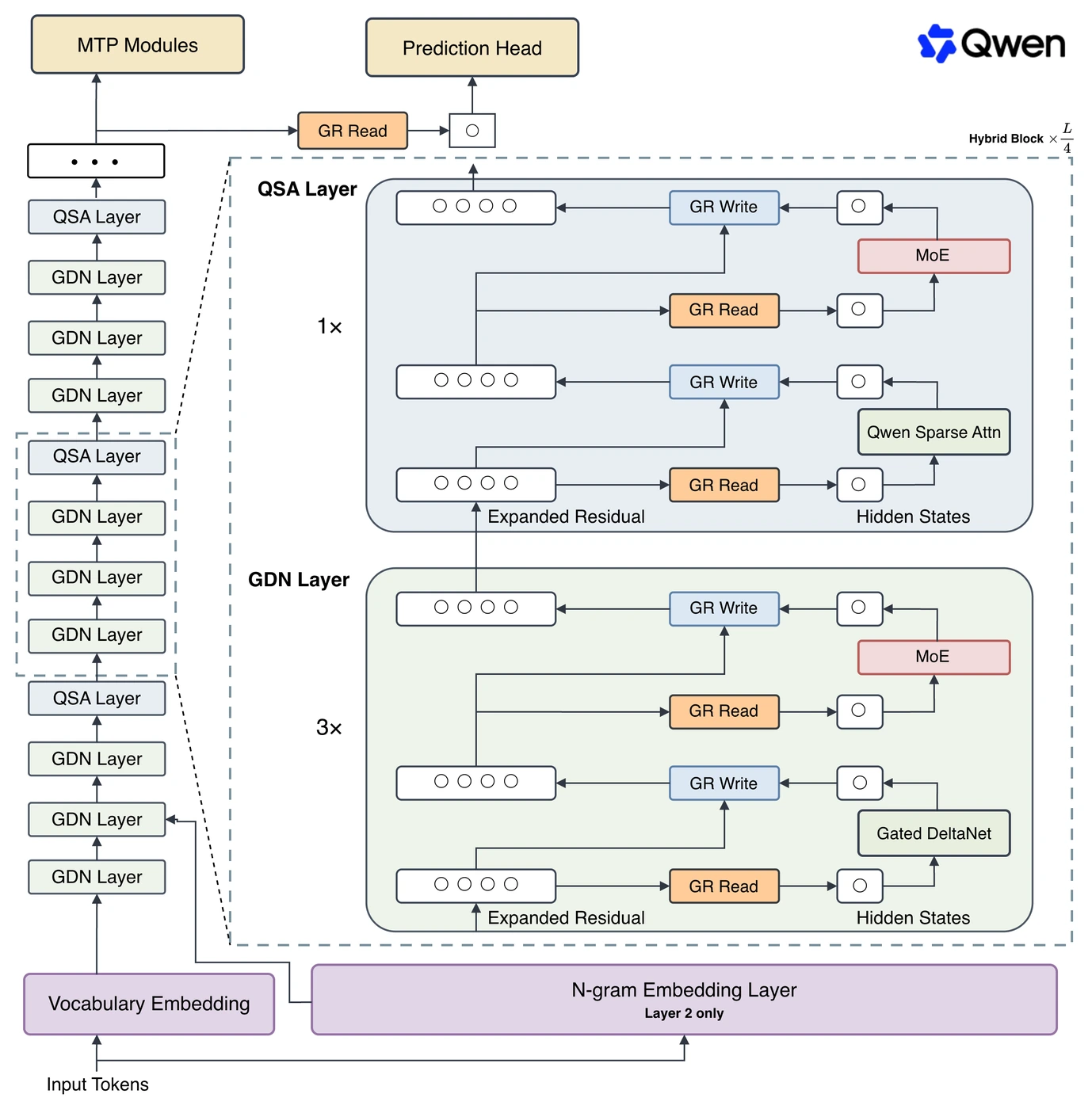
Qwen3.8-Flash-Next
Sparse attention, gated residuals, and n-gram embeddings change where this experimental model spends computation—and where deployment still needs memory.
 ILLUSTRATION
Qwen3.8-27B
A dense vision-language model gives builders a different deployment target from a large mixture of experts. Memory, context, and reasoning settings still need separate budgets.
 MODEL CARD
Kimi K3
Moonshot’s large multimodal model centers on extended coding and knowledge work. The engineering challenge is preserving correctness across the whole session.
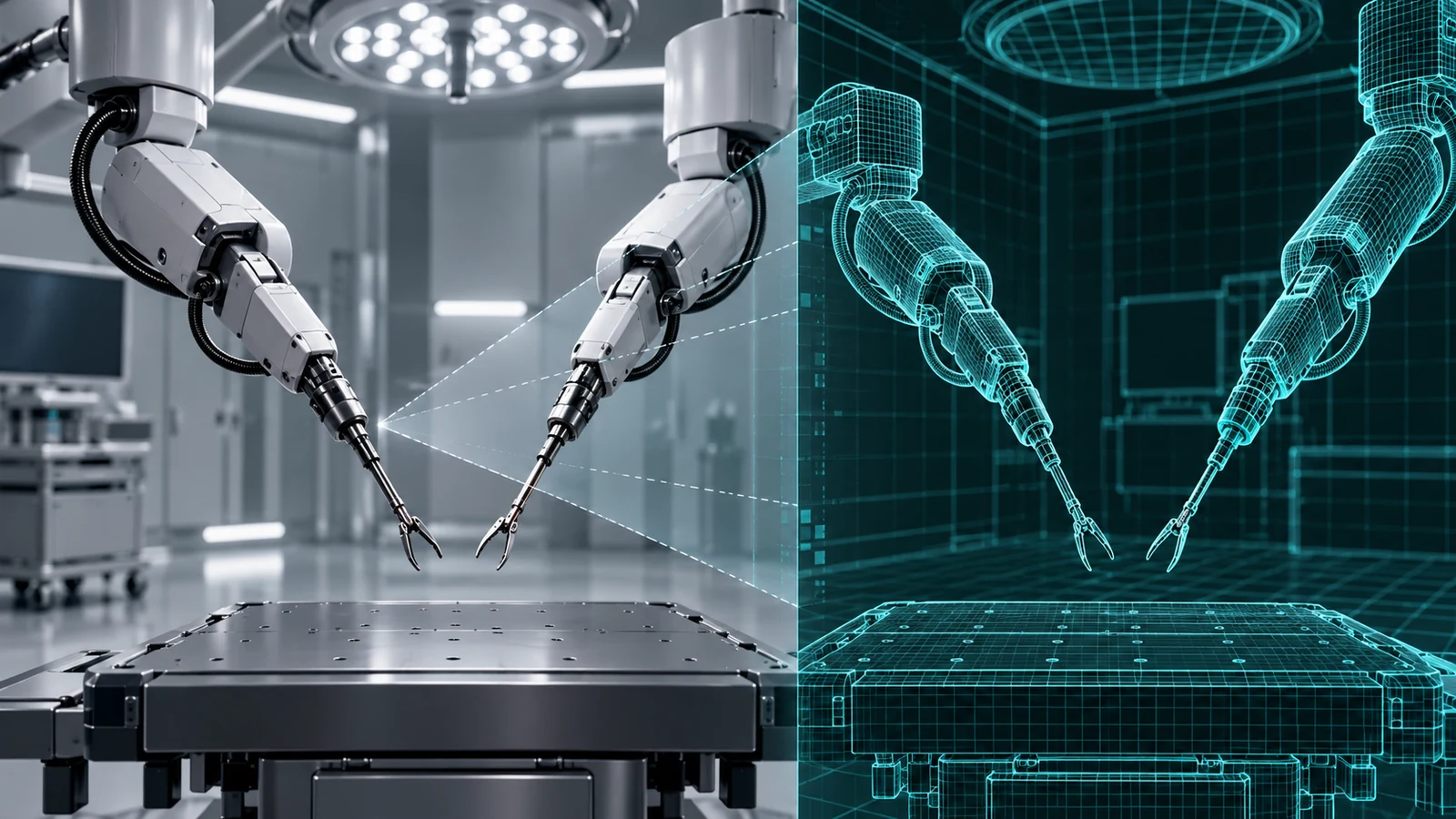 ILLUSTRATION
Cosmos3-H-Dreams
Cosmos3-H-Dreams connects camera frames to robot commands. Understanding the conditioning interface is essential to interpreting the generated result.
03 / OPEN THE LAB NOTES
Practical guides to AI tools, model selection, and the details that make a workflow useful.
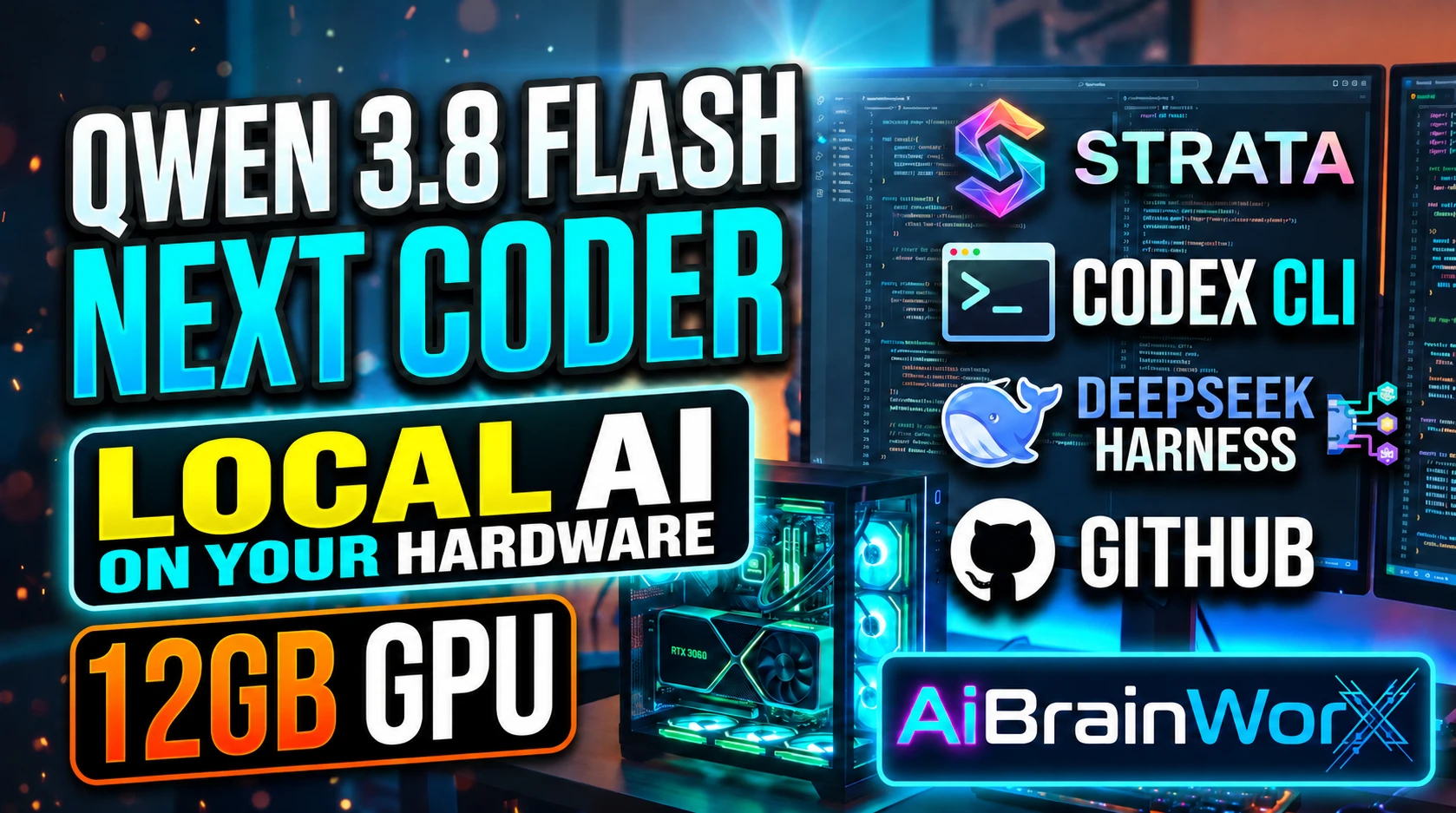 ILLUSTRATION
Portable AiBrainWorX Model Launcher with local model connections, project memory and documented 17.8–20.8 decode-token/s short tests on our RTX 3060 / Ryzen 5 PC.
Oct 24 Hands-on tutorial ILLUSTRATION
A source-review field guide to publication dates, model cards, licenses, formats, and the gap between an upload and a tested product.
Oct 23 Source-review field guideTHE AIBRAINWORX WAY
Source it. News links to original research, advisories, and project documentation.
Test it. Hands-on labels mean we ran the item and recorded the environment and outcome.
Explain it. We distinguish publisher claims, our own analysis, and results from hands-on testing.
POWER THE NEXT TEST
Tips help fund GPUs, RAM and storage so AiBrainWorX can test more local models, publish practical guides and build useful open tools.
Hardware donations & testing partnershipsSuggested one-time tips: $10 · $25 · $50
Choose your amount on Ko-fi.