
Anthropic's Claude Code 2.1.332 release notes highlight MCP-provided skills in beta and introduce PreSkillShellCommand, a hook for shell commands that run while a skill or command loads. The release was published November 25 UTC, or November 24 in California.
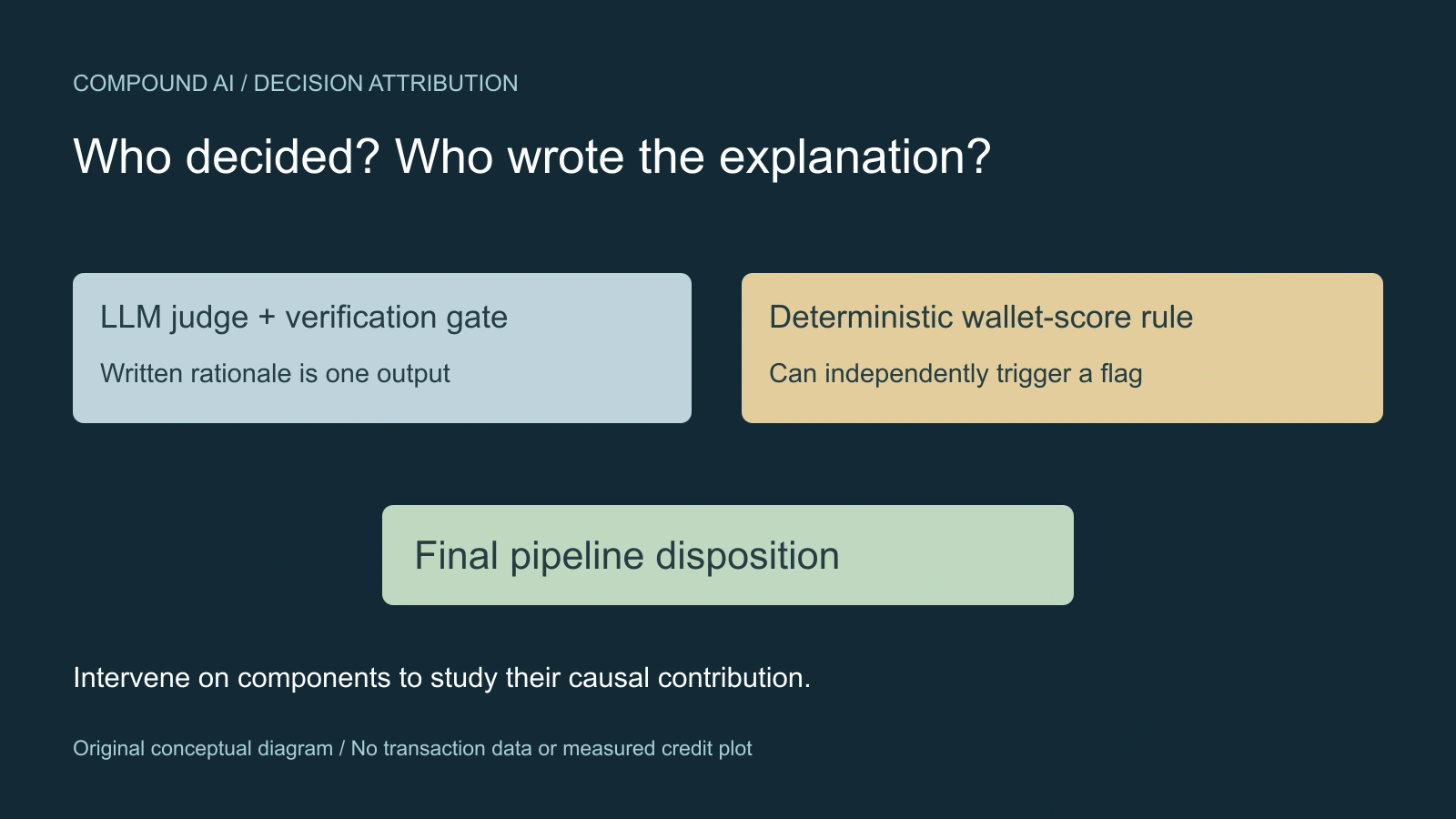
These are related workflow changes, but they are not the same execution path. Confusing the two can produce the wrong conclusion about what a remotely supplied skill can run and what an existing hook actually observes.
Server-provided skills have their own limits
The release describes skills appearing as server:skill in the command menu. Anthropic's current skill documentation says supporting files are read as MCP resources and identifies support from version 2.1.331. That version distinction matters: the 2.1.332 summary is not proof that every listed capability first existed in that exact patch.
The documentation also lists features that do not apply to an MCP skill. Several local frontmatter controls are ignored, inline injected shell commands do not run, and local file-reference and variable-substitution behavior is not carried across unchanged.
A server-supplied skill should therefore not be described as an unrestricted copy of a local skill file. It also should not be assumed to inherit every local permission declaration merely because the text has similar headings.
The hook covers a different phase
For local skill-loading commands, Anthropic documents a gap in event coverage: ordinary PreToolUse hooks do not fire for injected commands that execute while a skill loads. The new PreSkillShellCommand event provides a separate point at which supported hooks can inspect or block those commands.
The documentation requires 2.1.332 or later for this event. Older clients can warn that the event is unknown and ignore it. A settings file naming the hook is consequently not evidence that every installed client is enforcing it.
Blocking behavior depends on configuration. An asynchronous hook cannot block. The docs describe supported hook types, coverage of Bash and PowerShell, and failure handling that blocks on errors or timeouts. They also warn that a skill's own frontmatter hooks do not cover its first load or all subagent-loading cases. The enforcement location matters as much as the event name.
Our analysis
The useful change is making an execution boundary explicit. Loading instructions can itself involve work before an ordinary tool invocation appears, so a hook placed only on tool calls may not observe that work. Adding an event makes that phase inspectable; it does not establish that a particular organization's policy is complete or correctly configured.
For readers comparing agent ecosystems, this is also a reminder to distinguish text delivery, resource access, command execution and policy enforcement. A common skill format does not guarantee identical behavior across local files, plugins and MCP servers.
Claude Code's tagged repository notice reserves Anthropic's rights and subjects use to its commercial terms. A public changelog is not an open-source license for the client, so this coverage belongs on AiBrainWorX rather than being catalogued as an unrestricted open-source tool. We reviewed official notes, documentation and licensing without installing the client, changing settings or testing hook enforcement.
Original primary-source review. No model weights/data downloaded, upstream tests or workflows run, clients installed, servers/credentials changed or benchmark independently reproduced.