
Google DeepMind has announced AlphaGenome 2, a research model designed to predict how changes in DNA may affect particular human cell types. The company says researchers can access it for noncommercial research through the AlphaGenome API, with commercial research in private preview.
Why cell type changes the question
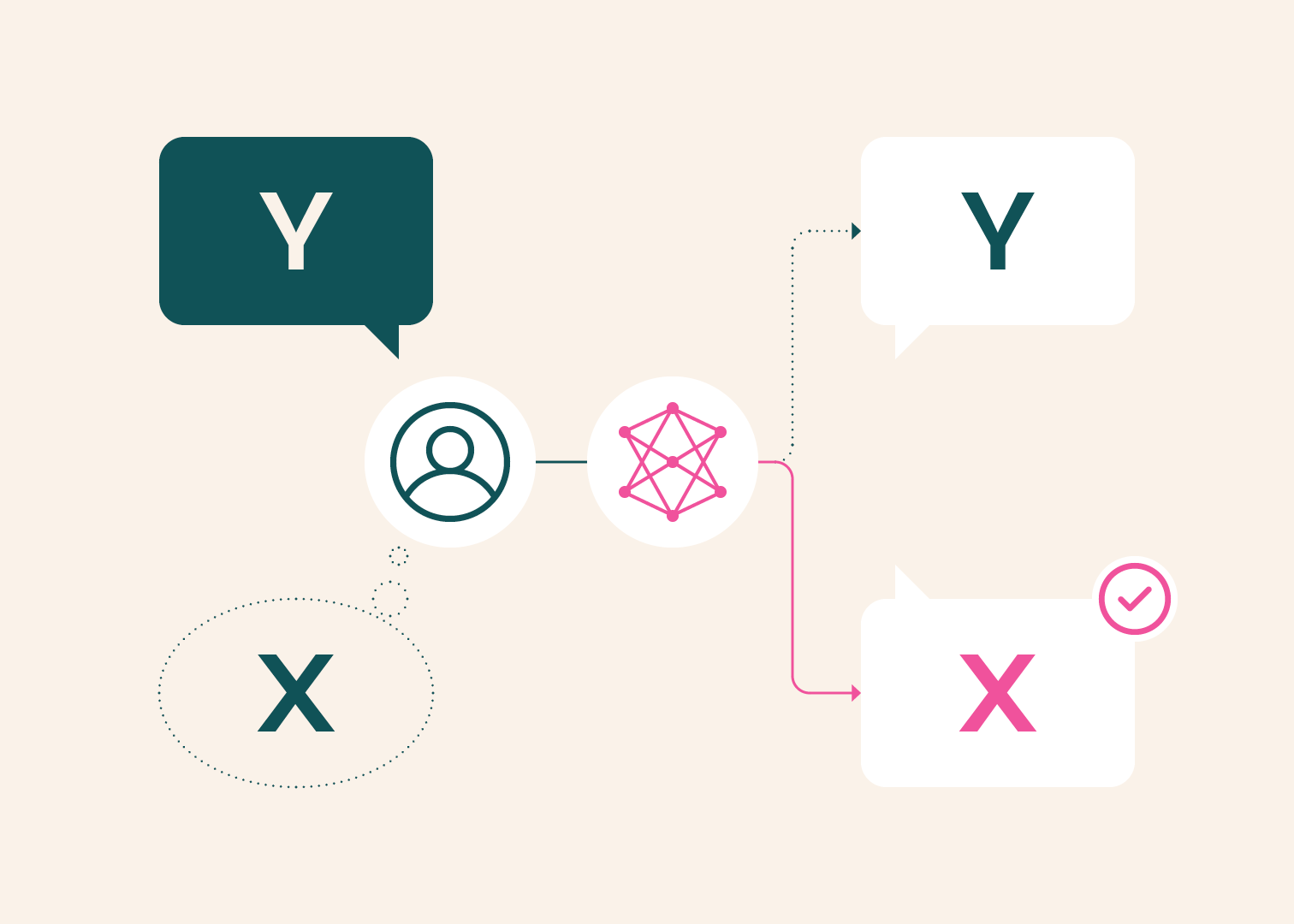
Cells share a genome but use different parts of it. A genetic variant may matter in an immune cell and have a different effect in a neuron. DeepMind says its new model takes a DNA sequence and a selected biological condition as inputs, rather than producing fixed outputs across many conditions all at once.
Researchers can also use the system to estimate unmeasured molecular properties from available data. DeepMind reports improvements over its earlier model and describes precomputed predictions for disease- and trait-associated variants. Those are research and publisher-reported results; a prediction is a hypothesis for investigation, not proof that a variant causes a disease.
Access and limits
The announcement describes API access and tutorials, not a general release of downloadable weights. It says AlphaGenome and AlphaGenome 2 are intended for research and have not been validated or approved for clinical or diagnostic use. We have not tested the API or independently reproduced the results.
The broader opportunity is to help researchers decide which variants, cell types and molecular pathways deserve expensive follow-up experiments. That makes experimental validation and the suitability of the underlying data as important as the model’s output.
Original reporting based on linked primary sources; no independent hardware, model or benchmark test.