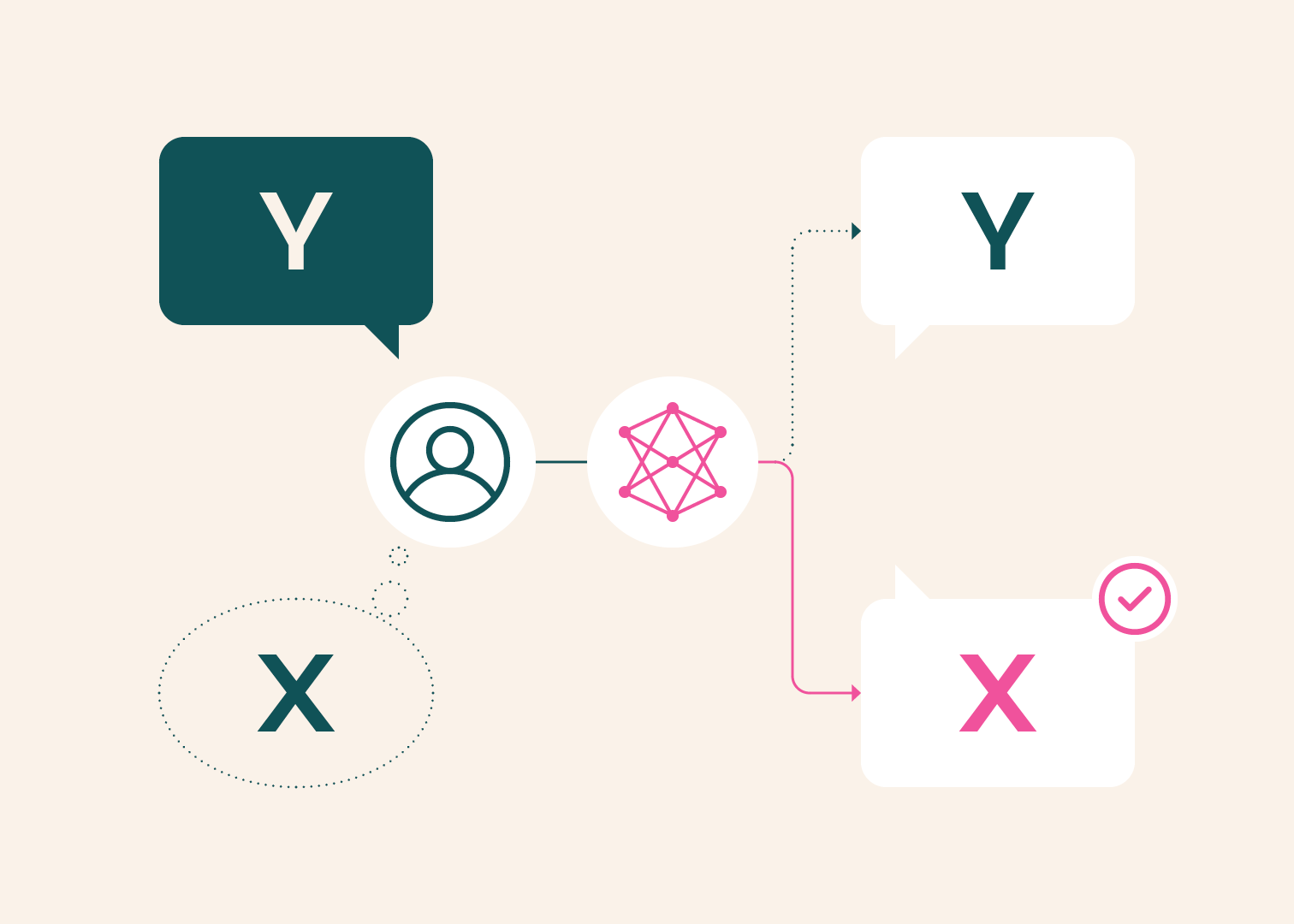

IBM Granite has published experimental 3B and 8B LLMON preview models trained to work with a structured format that distinguishes instructions, data and requirements. The November 12 announcement presents the work as a way to make model inputs more explicit, particularly when an application combines prompts with retrieved documents and tool responses.
What the format changes
LLMON marks the parts of a model input and their relationships rather than leaving the model to infer all of that structure from plain text. IBM says the preview models were trained from Granite base checkpoints with the format during post-training. Their chat template can construct the formatted blocks from named message components.
The motivation is familiar to anyone building an agent: a web page or tool result can contain text that tries to masquerade as a higher-priority instruction. IBM reports improved resistance in its evaluations, but describes the separation as learned behavior, not an enforced security boundary. The project explicitly labels the models experimental and not production ready.
Try and evaluate
IBM links the 3B preview, 8B preview, format repository and an attention visualization Space. Check each model card for license and hardware requirements.
Structured inputs may make trust boundaries clearer, but developers still need access controls, careful tool permissions and adversarial testing. We have not independently evaluated the models or reproduced IBM’s results.
Original source-linked reporting; no independent product or benchmark test.