
Google has selected Blue Origin's New Glenn for a dedicated heavy-lift launch connected to Project Suncatcher, its long-term effort to investigate AI infrastructure in space. The companies announced the arrangement on November 19 and are targeting the first quarter of 2029.
Google's announcement says the mission will place satellites in sun-synchronous orbit, describing each as having roughly the capacity of a data-center rack. Blue Origin's corresponding release describes a launch-services agreement supporting the research program. Neither announcement establishes an operational orbital AI service today.
A launch agreement is a concrete step with a future date
The distinction matters because AI infrastructure announcements often combine several different milestones in one narrative. Choosing a launch provider, flying a spacecraft, demonstrating useful computation and operating a service are separate achievements. The verified development here is the provider agreement and stated mission target.
Google presents Suncatcher as a moonshot exploring the solar energy available in orbit. Its short update does not supply results from the planned flight, customer availability or a demonstrated operating cost. Those gaps should remain visible when interpreting the scale of the ambition.
Our analysis: the next evidence should be operational
A named vehicle and time window make the roadmap more specific. They give readers something concrete to follow instead of an open-ended concept. They do not settle whether the proposed computing system will be useful or economically competitive.
The more informative future updates would describe what was actually built and measured, which workloads ran, what limits appeared, and how the team assessed the result. A successful launch would be important, but it would answer a different question from a sustained computing demonstration.
For the same reason, it is too early to treat this announcement as a replacement timetable for ground-based infrastructure. The companies describe a research path. Turning that into a claim that terrestrial data centers are obsolete would go far beyond their evidence.
The image has its own date
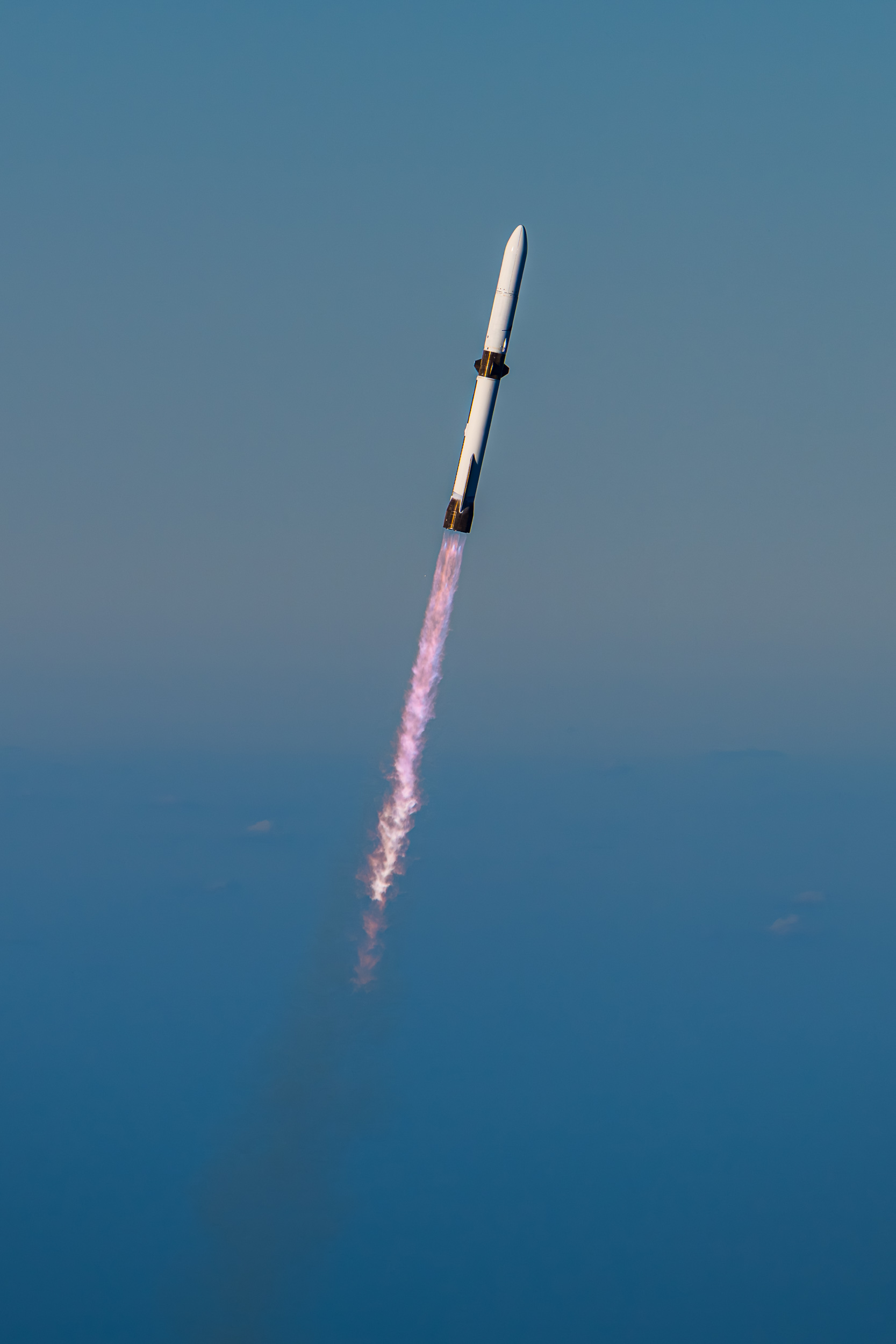
The photograph accompanying this article shows an actual New Glenn launch on November 13, 2025, during the ESCAPADE mission. It comes from NASA's media archive, which credits Blue Origin. It is background imagery of the launch vehicle, not a photograph of Suncatcher hardware or the future 2029 mission.
We have not independently tested spacecraft, inspected mission hardware or evaluated the economics of orbital computing. This report covers the two organizations' stated agreement and keeps the planned flight separate from completed results.
Original primary-source reporting and labeled analysis. No inference, software installation, API evaluation or independent benchmark performed.